Your website may be getting visitors, but if those visitors are not calling, sending a WhatsApp message or submitting an enquiry, something is missing between attracting people and convincing them to take action.
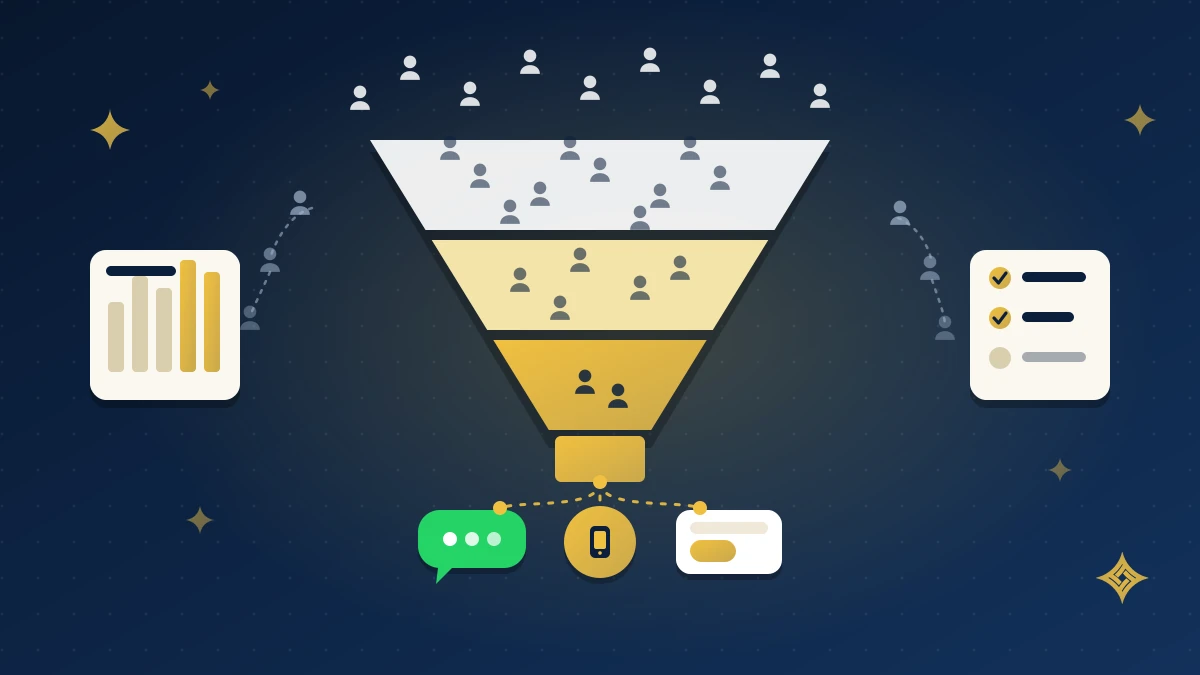
Getting people to visit your website is a good start, but traffic alone does not pay the bills. A business can receive visitors from Google, social media, advertisements or other websites and still struggle to generate calls, WhatsApp messages, bookings or enquiry forms.
If this is happening to your business, the problem may not be the amount of traffic you are getting. The problem may be what happens after people arrive.
Traffic Does Not Automatically Become Enquiries
It is easy to look at website traffic and assume that more visitors should mean more customers. In reality, visitors do not all arrive with the same needs, intentions or level of interest.
Someone searching for "best hotels in Nairobi" may still be comparing several hotels. Someone searching for "book hotel in Nairobi CBD" may already be ready to make a reservation. Someone searching for "how much does a website cost in Kenya" may still be researching their options.
This is why the quality and intent of your visitors matter just as much as the number of visitors.
More traffic is not always the answer. Sometimes the better answer is making better use of the traffic you already have.
Your Visitors May Not Be the Right Visitors
One of the first things to check is where your visitors are coming from and what they were looking for before reaching your website.
A page can attract a large amount of search traffic for a topic that has very little connection to the service being offered. An advertisement can also generate clicks from people who are curious but have no intention of becoming customers.
For example, a company selling professional website development services may receive visitors searching for free website builders. Those visitors are not necessarily bad traffic, but they may not be the right audience for the service.
Your website should attract people whose needs match what your business actually provides.
The Page They Land On Matters
A common mistake is sending every visitor to the homepage regardless of what they searched for or what advertisement they clicked.
If someone searches for SEO services and lands on a general homepage containing information about web development, mobile apps, email and several other services, they may have to work too hard to find what they need.
A more useful approach is to send visitors to a page that matches their search or the message that brought them there.
If someone searches for SEO services, the landing page should clearly explain the SEO service, what is included, who it is for and what the visitor should do next.
Your Website May Not Explain What You Actually Offer
A visitor should be able to understand what your business does within a few seconds of arriving on the page.
Avoid relying on vague statements that sound professional but do not explain anything. Tell visitors what you provide, who you provide it for and where you operate.
A Kenyan business serving customers in Nairobi, for example, should make it clear that it serves Nairobi if location is important to the service.
Clear information helps visitors decide whether they are in the right place before they spend time exploring the rest of the website.
There May Be No Clear Next Step
Sometimes visitors are interested but simply do not know what to do next.
A website can contain excellent information and still lose potential customers if there is no obvious way to contact the business.
Depending on the business, the next step might be:
- Call the business
- Send a WhatsApp message
- Request a quotation
- Book an appointment
- Submit an enquiry form
- Request more information
The important thing is that the action should be clear and easy to take.
Actionable Tip
Open your website on your phone and give yourself ten seconds to find how you would contact the business. If you have to search for the phone number, WhatsApp button or enquiry form, your visitors may be having the same problem.
Too Many Choices Can Make People Leave
Giving visitors options is useful, but too many competing choices can make the website difficult to use.
A page with several different buttons, unrelated offers and multiple competing messages can leave visitors unsure about what they should do.
Each important page should have a clear purpose. Decide what you want the visitor to do after reading the page and make that action easy to recognise.
Your Contact Form May Be Creating Friction
Contact forms are useful, but they should not feel like an application process.
If a visitor only wants to request a quotation, asking for unnecessary information can discourage them from completing the form.
Start with the information you actually need. You can always collect additional details after the initial enquiry.
Forms should also work properly on mobile devices. Fields should be easy to tap, error messages should be understandable and the visitor should know whether the submission was successful.
WhatsApp and Phone Calls Can Be Important for Kenyan Businesses
Not every customer wants to fill in a long form. For many Kenyan businesses, WhatsApp and phone calls are important ways for potential customers to ask questions and start a conversation.
If these are important channels for your business, make them easy to find on the website.
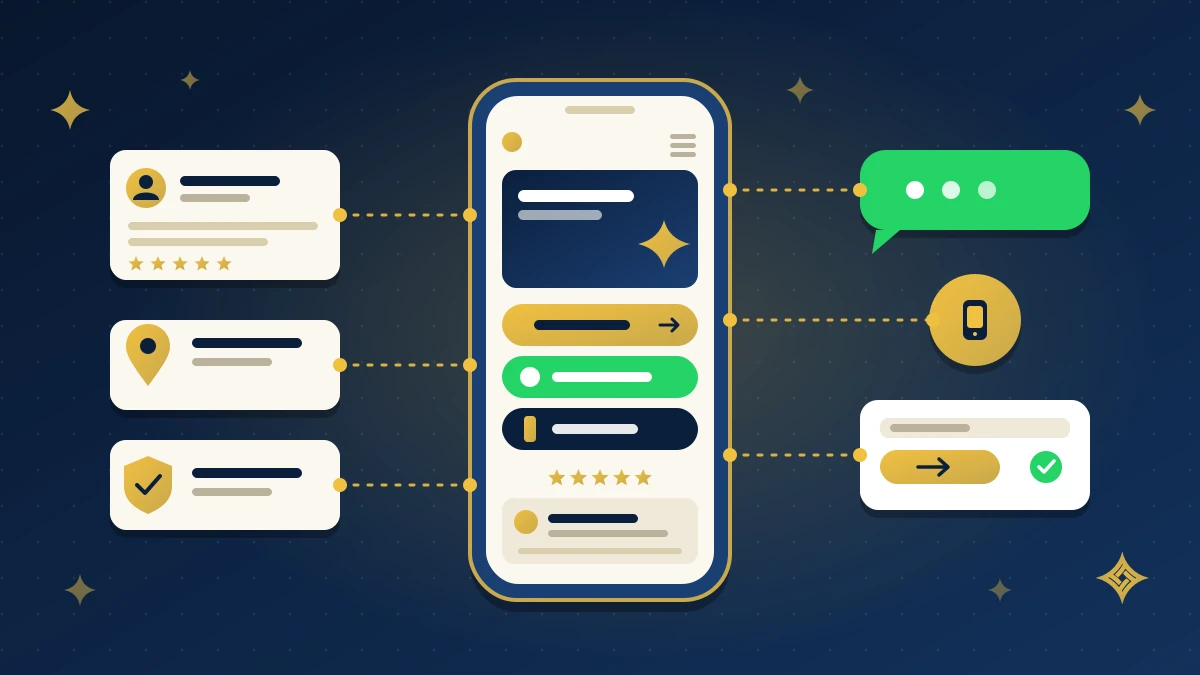
A WhatsApp button should open the correct conversation. A phone number should be easy to tap on mobile. The customer should not have to copy a number manually or search through the footer to find a way to contact you.
Trust Can Be the Missing Piece
A visitor may understand your service and still hesitate to contact you because they are not yet confident in the business.
This is particularly important when the service is expensive, unfamiliar or requires the customer to share personal information.
Useful trust signals can include:
- Genuine customer reviews
- Testimonials
- Examples of previous work
- Clear business information
- Professional contact details
- Relevant certifications or qualifications
- Case studies
These elements do not replace good service, but they can help reduce uncertainty before someone makes an enquiry.
Slow Websites Can Cost You Potential Customers
A visitor may never reach your contact button if the page takes too long to load.
Large images, unnecessary JavaScript, poorly optimised CSS, slow hosting and inefficient database queries can all contribute to a slow website.
This is especially important on mobile devices, where visitors may be using slower connections or less powerful hardware.
Website performance should therefore be treated as part of the customer journey, not simply as a technical issue.
Your Website Needs to Match the Search Intent
Search intent describes what someone is actually trying to accomplish when they search for something online.
Someone searching for "what is SEO" is probably looking for information. Someone searching for "SEO company Nairobi" is more likely to be looking for a service provider.
Your content should match that intent. Informational searches may need useful educational content, while service related searches should lead to pages that clearly explain the service and provide an easy way to enquire.
This is one reason SEO is not simply about ranking for as many keywords as possible. The right visitors are the ones whose needs match what your business offers.
Check What Happens After Visitors Arrive
If your website is receiving traffic but enquiries are low, do not guess what the problem is. Look at what visitors are actually doing.
Check which pages receive the most visits, where visitors come from and which actions they take before leaving.
Useful actions to track can include:
- Phone number clicks
- WhatsApp clicks
- Enquiry form submissions
- Booking requests
- Product purchases
- Important page visits
This information can show whether the problem is attracting the wrong visitors, losing them on the landing page or making the final enquiry difficult.
What Should You Fix First?
You do not need to redesign your entire website immediately. Start with the parts closest to the customer taking action.
Check your traffic. Make sure the people arriving on your website are actually relevant to your business.
Review your landing pages. Make sure the page matches what visitors searched for or clicked on.
Clarify your offer. Explain what you provide, who it is for and where you operate.
Improve your calls to action. Make the next step obvious and easy to take.
Reduce friction. Simplify forms, remove unnecessary steps and make contact options easy to use.
Add trust signals. Use genuine reviews, work examples, testimonials and useful business information.
Check mobile performance. Make sure the website is fast and easy to use on phones.
Track enquiries. Measure calls, WhatsApp messages, forms and other actions that matter to your business.
Fixing these areas can often make better use of the traffic your website already receives before you spend more money trying to attract additional visitors.
Your Website Should Turn Interest Into Action
Getting someone to visit your website is only part of the job. The website then needs to help that person understand your business, trust you and take the next step.
If you are receiving traffic but very few enquiries, look beyond the traffic numbers. Check the quality of your visitors, the pages they land on, the clarity of your offer, the ease of contacting you and the trust signals on the website.
In many cases, the answer is not simply "get more traffic". It is to make the existing traffic more useful.
The goal is not just to bring people to your website. It is to give the right people a clear reason to contact your business.
Final Thoughts
A website that receives traffic but generates few enquiries is not necessarily a failed website. It may simply need better alignment between the people arriving, the page they see and the action you want them to take.
Start by understanding your visitors. Make your offer clear. Give people an obvious way to contact you. Remove unnecessary friction. Build trust and track what happens after people arrive.
When those pieces work together, your website can do more than attract visitors. It can become a useful part of how your business generates enquiries and customers.
If you want to improve how your website turns visitors into enquiries, our web development services can help you build a faster, clearer and more effective business website.
Frequently Asked Questions
Your website may be attracting the wrong visitors, the page may not match what they were looking for, or visitors may not have a clear and easy way to contact your business. Trust, page speed and complicated forms can also affect enquiries.
Make sure you are attracting relevant visitors, explain your services clearly, use strong calls to action and make it easy for people to call, send a WhatsApp message or submit an enquiry. Adding genuine reviews and examples of your work can also help build trust.
No. More traffic is useful only when the visitors are relevant to your business. A smaller number of people who are genuinely interested in your services can be more valuable than a large amount of unrelated traffic.
They may not understand what you offer, may not trust the business yet, or may not know what to do next. Your contact options may also be difficult to find or your enquiry process may require too many steps.
If your customers commonly use WhatsApp to ask questions or make enquiries, it can be a very useful contact option. Make sure the button is easy to find and works properly on mobile devices.
Track important actions such as phone clicks, WhatsApp clicks, enquiry form submissions, bookings and purchases. This helps you understand what visitors do after arriving on your website instead of relying only on traffic numbers.